SETL Truechain
An event recording service for financial institutions to prove the validity of Blockchain transactions.
SETL Truechain addressed a critical challenge in financial services: how do institutions prove that Blockchain transactions occurred exactly as recorded? Working alongside the OpenCSD team at SETL, I led the UX design exploration for this event recording service concept, translating complex cryptographic concepts into an interface that could meet stringent compliance requirements while remaining accessible to non-technical users.
Background
Context
Financial institutions adopting Blockchain needed more than transaction processing — they required auditable proof that events occurred precisely when and how claimed. Truechain provided this verification layer, creating tamper-evident records that regulators and counterparties could trust. The challenge was designing an interface that conveyed absolute security and precision while remaining usable by compliance officers and operations teams without deep Blockchain expertise.
Challenge
The technical complexity was significant — cryptographic hashing, timestamp validation, and chain-of-custody tracking aren't concepts most users encounter daily. I needed to surface the information that mattered (verification status, audit trails, compliance reports) while abstracting the underlying complexity. Additionally, the interface had to project the institutional credibility that financial services demand, balancing accessibility with the authority of regulatory-grade systems.
Design
Concept #1
My initial exploration focused on a timeline-centric approach, visualising the chain of recorded events chronologically. This concept prioritised traceability, allowing users to follow transactions from initiation through verification, with clear visual indicators of validation status at each stage.
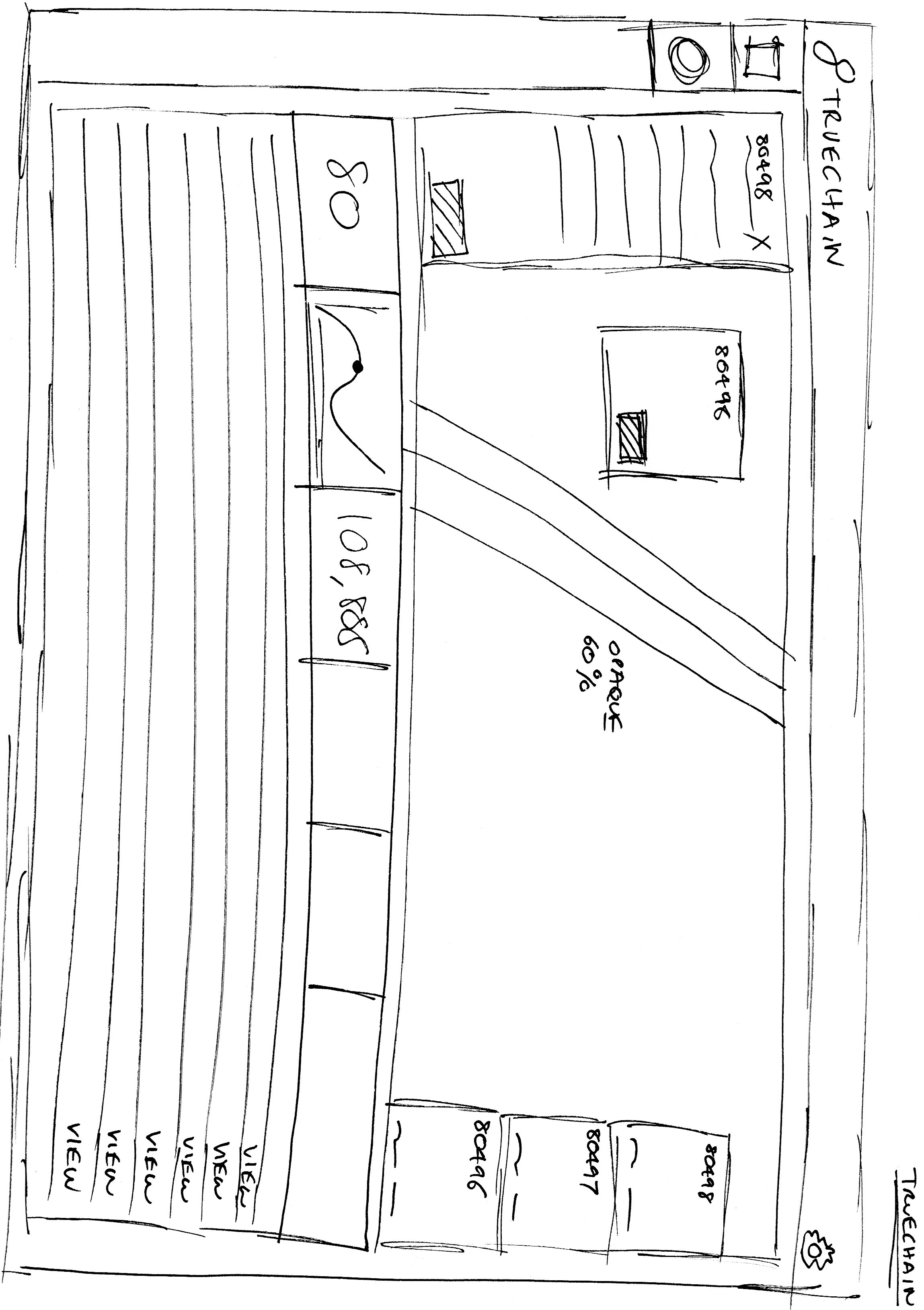
Sketch Concept #1
Concept #1
The second iteration took a dashboard-first approach, presenting aggregate verification metrics and system health prominently. This concept addressed the reality that most users would check Truechain for confirmation that everything was operating normally, with detailed event inspection being a secondary task triggered by exceptions or audits.
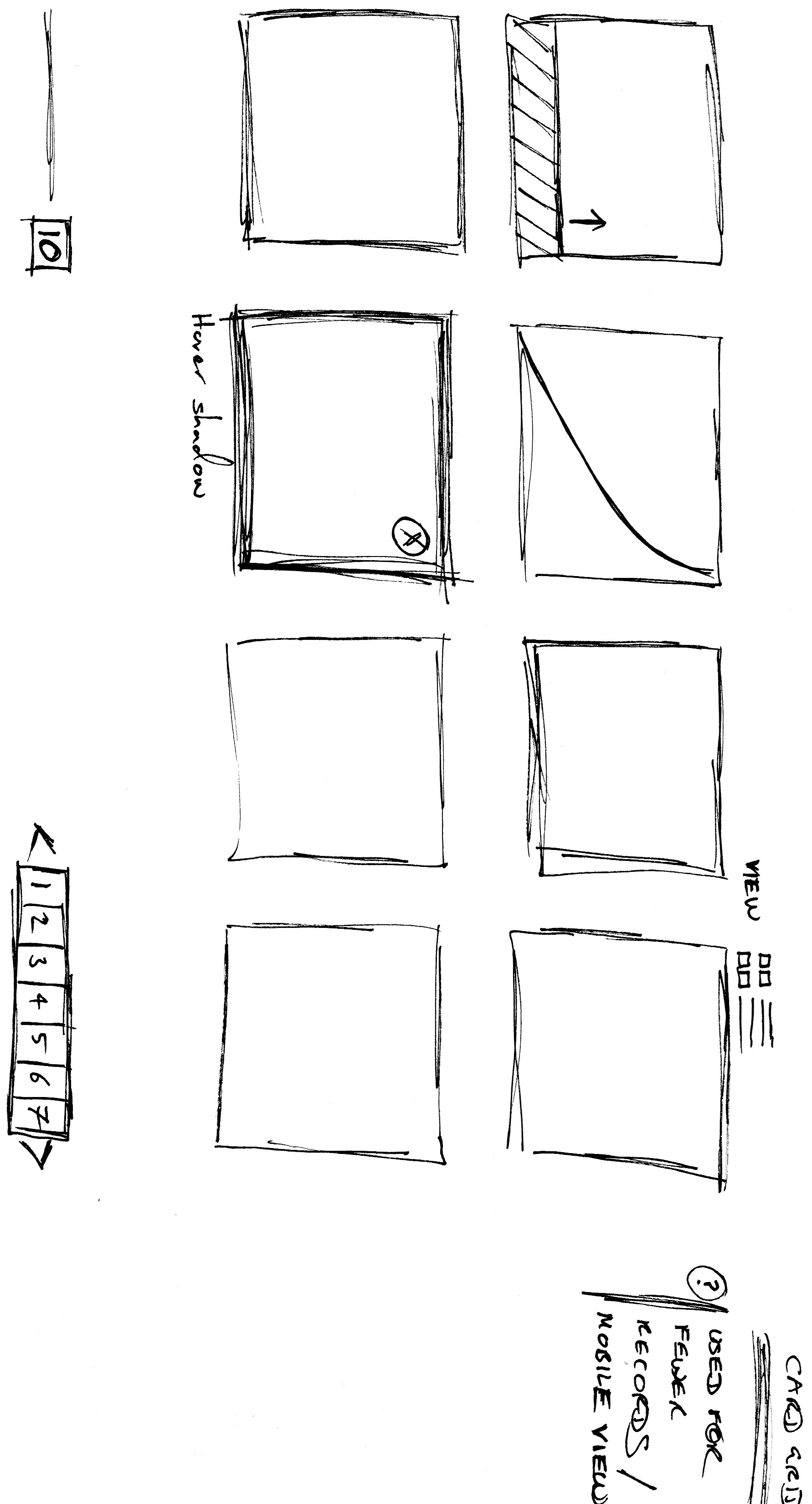
Sketch Concept #2
Final Concept
The final design merged both approaches — a dashboard providing at-a-glance system confidence with drill-down capability into individual event chains. I facilitated collaborative workshops with senior stakeholders and internal teams, aligning technical capabilities with business objectives to ensure the interface met stringent security and compliance requirements. The visual language conveyed institutional trust through restrained typography, precise data presentation, and verification indicators to avoid ambiguity about record authenticity.

SETL Truechain dashboard design
Prototype
Impact
Concept Exploration
This concept explored how Blockchain verification could be made accessible to compliance teams. While Truechain didn't proceed to production due to fundinh, the design patterns informed SETL's broader approach to institutional interfaces.
Tags

SETL OpenCSD

SETL Exchange
